Ongoing inspection, maintenance and considered upgrades are essential to maintaining safety, reliability and long-term operational value.
Long-Life Assets Require Long-Term Oversight
Adventure structures are not one-off installations.
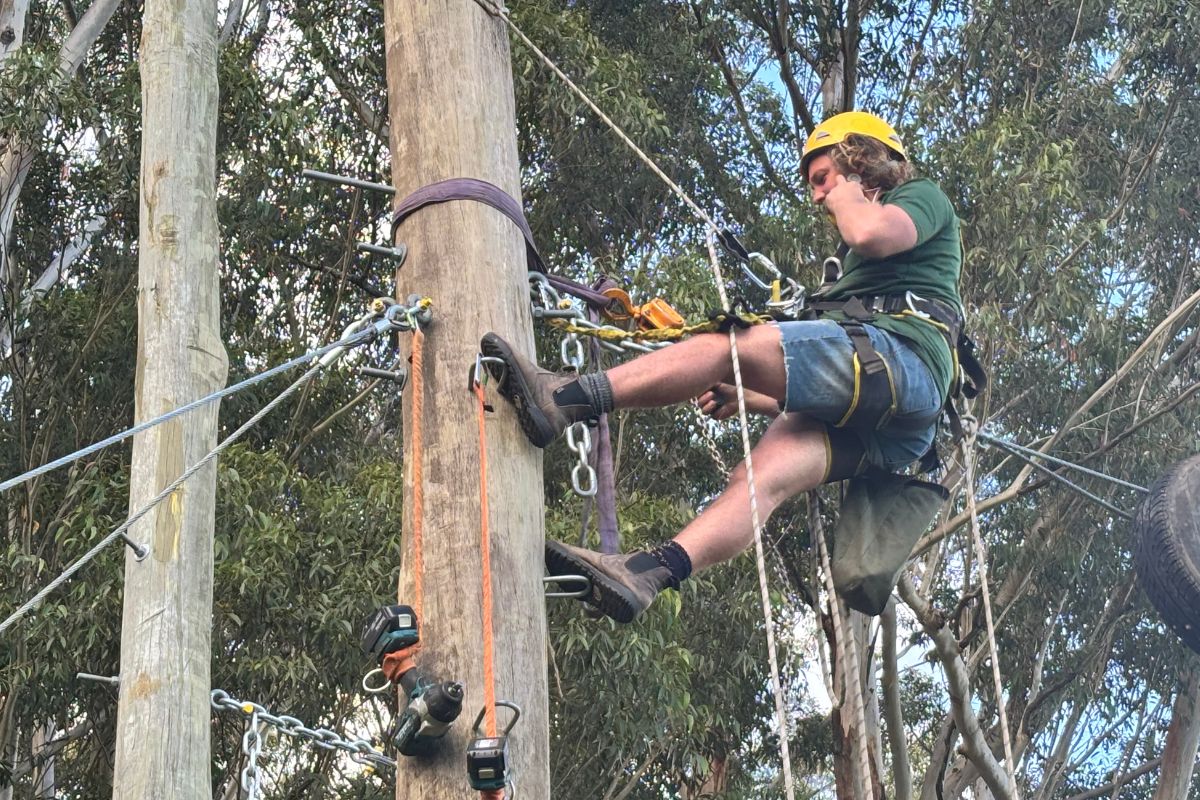
They operate under load, in weather, across changing site conditions and patterns of use. Maintaining safety and availability over time requires inspection continuity, sound maintenance practice and considered lifecycle planning.
Adventure Developments supports its systems through structured lifecycle frameworks that combine engineering oversight with practical field experience.
Why Lifecycle Support Matters
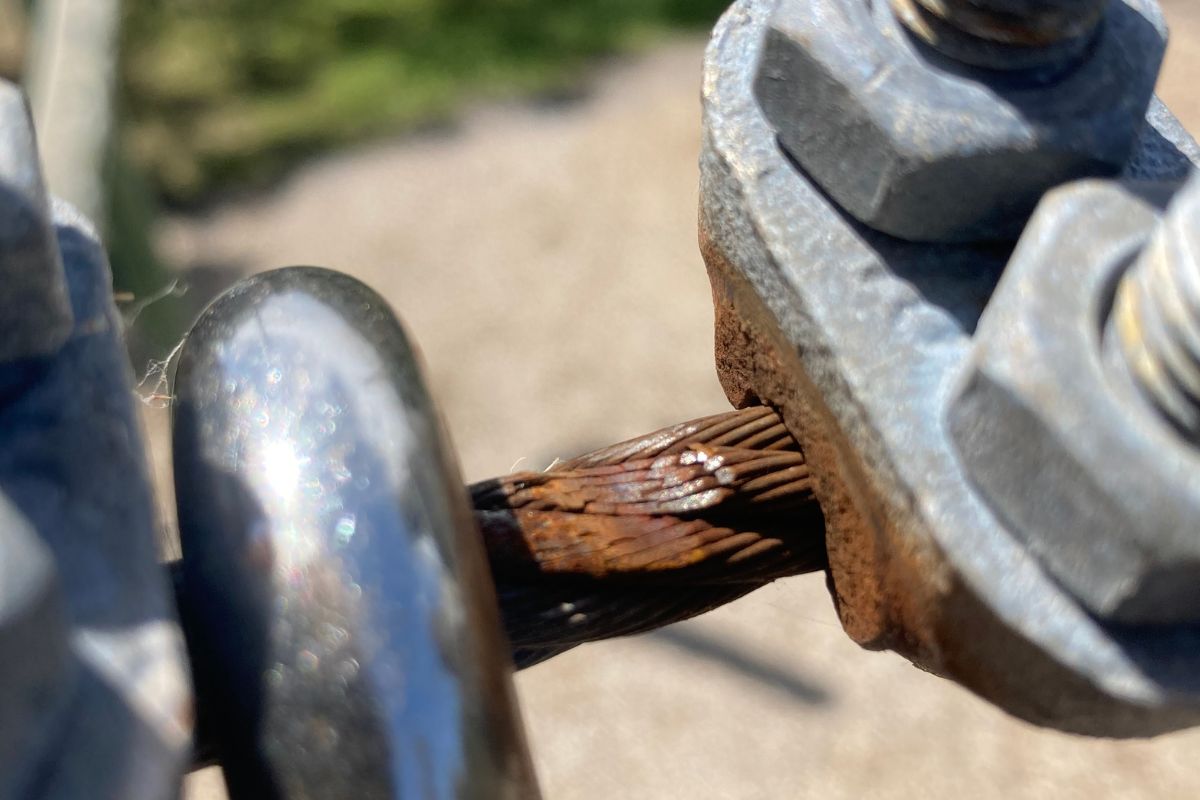
Without structured lifecycle support, issues are more likely to be identified late, downtime becomes less predictable, and reactive work can become more disruptive and less effective.
A lifecycle approach helps maintain safety, reduce unplanned interruptions and support more informed maintenance decisions over time.
Preventative Maintenance Programs
Preventative maintenance programs provide the continuity needed to support long-term operation.
By combining scheduled inspection, planned maintenance and asset visibility, these programs help identify developing issues earlier, reduce avoidable downtime and support safer reactive intervention when required.
Adventure Developments uses preventative maintenance as the foundation for structured lifecycle support.
The Shift From Reactive Repairs to Planned Ownership
A long-life adventure activity asset is much like a motor vehicle.
Running a vehicle until something breaks is very different from maintaining it properly over time. A yearly registration inspection may identify serious issues, but it does not replace regular servicing. Oil still needs changing, tyres need replacing before they become unsafe, batteries eventually fail, and older vehicles eventually require a sensible decision about whether further spending is worthwhile.
Adventure structures are similar. Annual inspections are important, but they are not a complete maintenance system.
The real value comes from understanding the condition of the asset, planning replacement of known wear items, closing out findings, keeping records current and knowing where the structure sits within its useful life.
The Preventative Maintenance Program supports that shift: from waiting for problems to appear, toward planned ownership, better records and clearer lifecycle decisions.
Reactive Maintenance
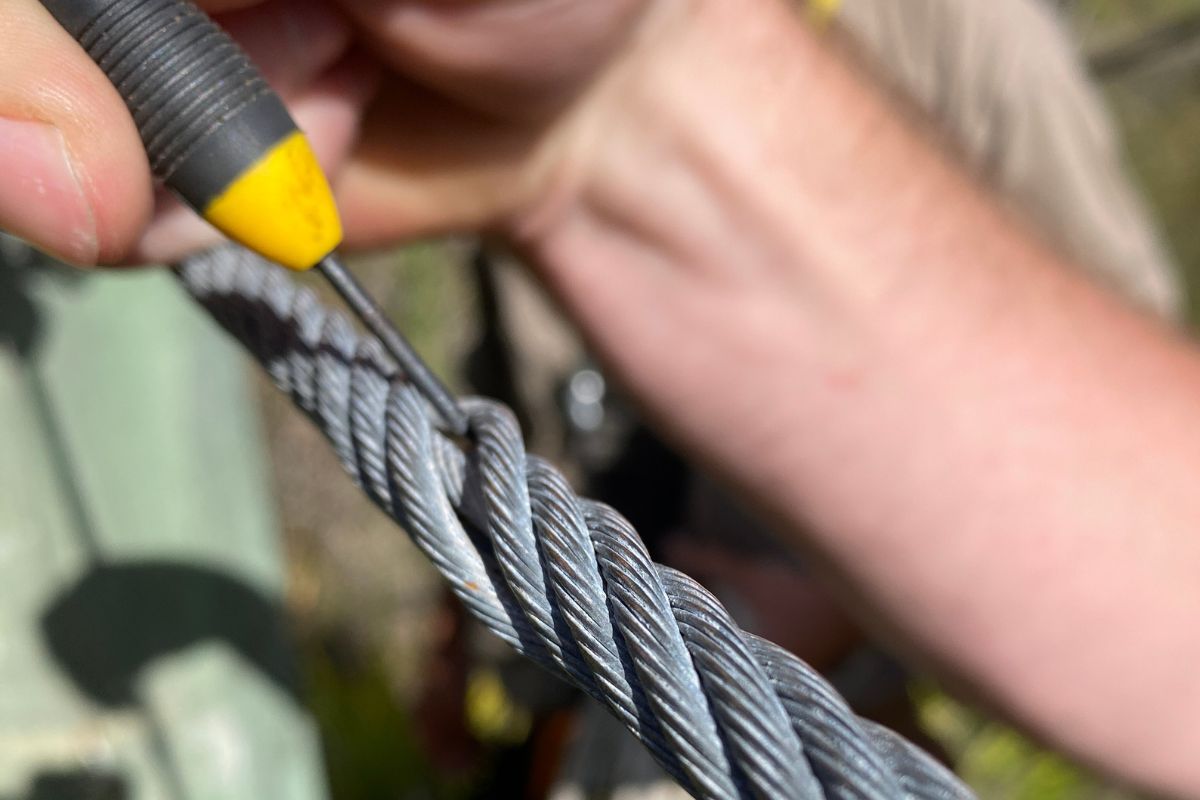
Reactive maintenance is most effective when supported by lifecycle history, inspection continuity and a structured maintenance framework.
Without that context, reactive work may address symptoms rather than underlying causes and can increase downtime risk.
Adventure Developments approaches reactive intervention within a structured lifecycle framework wherever possible.
Upgrades, Modifications and Lifecycle Change
Adventure structures do not remain static over their life.
Usage patterns change, components reach renewal points, operating needs evolve and regulatory expectations continue to develop. Lifecycle support includes not only maintenance, but also considered upgrade pathways and engineering-led change over time.
Adventure Developments supports its systems with long-term continuity in mind.
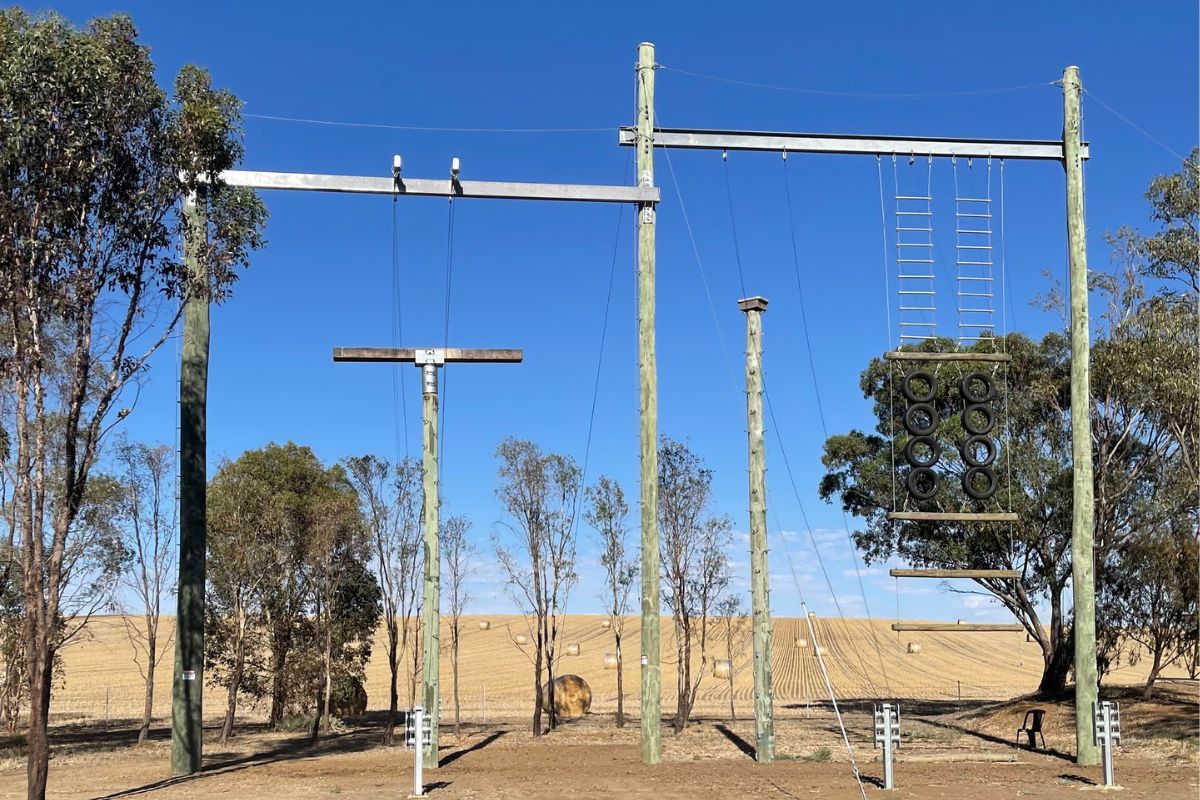
Built to Last. Supported to Continue.
Adventure Developments supports attraction assets with a long-term view of safety, reliability and operational continuity.
For clients seeking structured lifecycle support, we welcome the opportunity to discuss the right framework for their site and systems.